Leadership transition at a company is always significant, especially when the outgoing boss steered it for years. Moreover, leadership changes can signal stability. Since then, it has had only one other CEO. Tim Cook, Apple,CEO, took over from Steve Jobs in 2011 and led Apple through August 2026. Steve remains the face of Apple today. His leadership spurred great innovation as he ushered in the iMac, iPod, iPhone, and iPad eras.
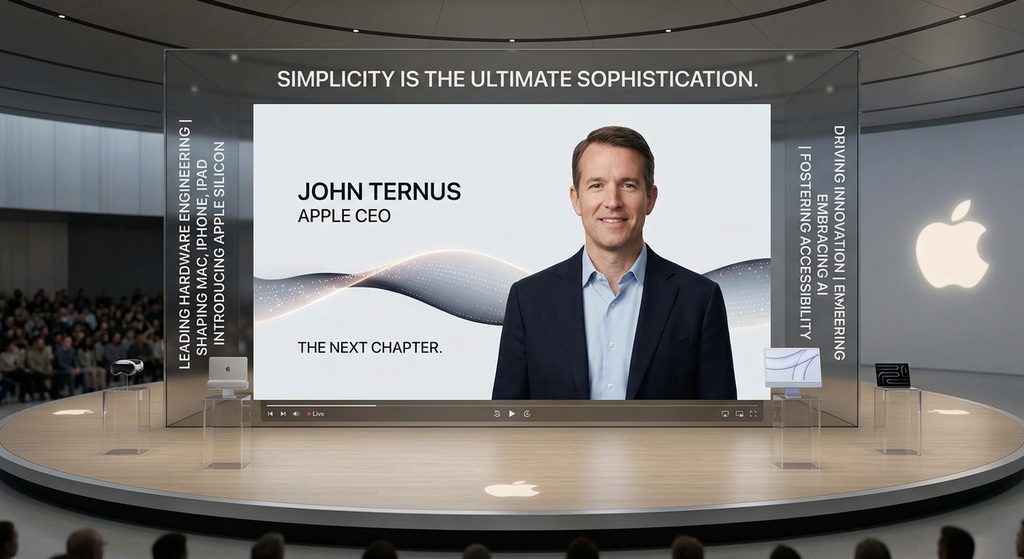
Earlier this year in April, Tim Cook announced that he would step down in the coming months. Moreover, the company had appointed veteran engineer John Ternus to take over. That transition ended when Ternus took over in September 2026. Additionally, Tim, who has a background in business administration, transformed Apple into a trillion-dollar company over 15 years. His leadership style mainly focuses on expanding services, the supply chain, and efficiency. Unlike Steve, who was an innovator, Cook focused on operational expansion.
This lack of focus on innovation has made Apple a late bloomer in the latest technologies, including AI.
However, they are still the best at what they do due to how unique and high-quality their products are.
They have faced criticism from users, especially about minimal changes to hardware.
Notably, the minimal differences between most recent iPhone iterations illustrate this.
At some point, it almost didn’t make any sense to upgrade.
With the appointment of John Ternus as CEO, the company aims to return to innovation.
Ternus is a veteran engineer who has overseen significant hardware evolution.
He led Apple’s team during the shift from Intel processors to ARM-based Apple Silicon.
At Apple, he was Senior Vice President of Hardware Engineering, and his priorities show the focus.
His agenda, as stated in Apple’s leadership profiles, is hardware centered.
Moreover, Apple has been a leader in security and data privacy.
Additionally, they want to keep it that way even in the era of AI.
Furthermore, Ternus will oversee the “On-device AI processing” deployment at Apple.
Therefore, instead of competing using cloud models, the goal is to run generative AI features locally.
Additionally, this pairs customized neural engines with tightly integrated local memory bandwidth.
Ultimately, this will improve speed and privacy.
However, many companies struggle with deploying AI.
Furthermore, as a hardware specialist, the new boss is expected to push the company into exploring other hardware innovations. We can expect enhancements such as a range of form factors, better processors, and more durable products. Additionally, those who haven’t upgraded their iPhone in years may have reason to feel excited again.